

This article draws on our LinkedIn Live session, "Elevate Workforce Efficiency with Augmented Reality Solutions", which looked at AR wearables and how they can improve efficiency and productivity across industries.
The problem: information is out of reach when hands are busy
Frontline workers in plants and in the field spend much of the day using tools and handling equipment. When they need a manual, a checklist or an expert's advice, they have to stop, put things down and go and find it. Experts often have to travel to site for repairs and installations, which costs time and money.
The idea: hands-free AR glasses
AR glasses put information directly in the worker's field of view. The main advantages are:
- Hands-free operation: workers access information and data without putting down tools or equipment.
- Voice control: voice-controlled apps let workers complete tasks quickly without touching a screen.
- Lower cost and easy to use: wearables suit a wide range of industries, and connecting online with experts for technical support or installations saves the time and cost of travel.
- Higher productivity: workers complete tasks more efficiently, make fewer errors and stay focused on their main job.
Five use cases
1. Remote expert guidance
Workers connect with remote experts in real time. For a complex repair, an unfamiliar task or an urgent decision, the expert guides the worker through the glasses' display. This reduces downtime and errors and makes expertise available wherever the worker is.
2. Digital workflows
Checklists, forms and documentation appear in the worker's field of vision. Reports and inspections are completed digitally, without paper or separate devices, which saves time and reduces data entry errors.
3. Document navigation
Manuals, schematics and drawings can be viewed hands-free, so workers can follow step-by-step instructions or check equipment specifications on the job. This matters most where accuracy is critical.
4. Industrial IoT data
Real-time data, performance metrics and sensor readings appear on the display. Workers can monitor equipment health and make decisions based on data while standing at the machine.
5. Visual assist
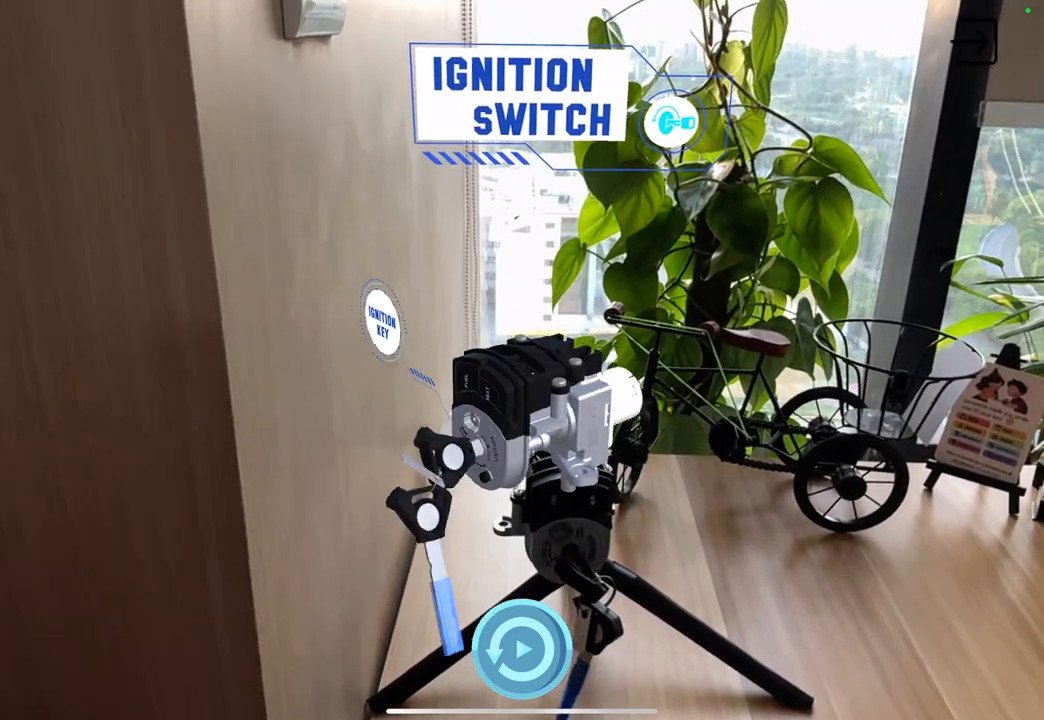
Graphic overlays and animations guide workers through complex tasks. They make it easier to learn new skills, troubleshoot and assemble intricate components, and shorten the learning curve.
Where AR glasses fit
- Automotive: vehicle assembly, maintenance and inspection.
- Manufacturing: assembly, quality control and maintenance.
- Oil and gas: remote inspection, equipment maintenance and training in difficult environments.
- Healthcare: support for surgeons, imaging overlays for diagnosis and quick access to patient data.
- Energy and utilities: infrastructure inspection, maintenance and data visualisation.
- Field services: remote assistance, troubleshooting and faster repairs.
- Audit and inspection: more thorough and accurate assessments.
- Pharma: production and quality control.
- Mining: navigation, data visualisation and communication underground.
How to apply it
Start with the task where waiting for an expert or searching for information costs you most, often maintenance or remote support. Equip a small team, connect them to your experts, and measure travel saved and time to fix.
RealWear, whose devices were discussed in the session, makes assisted reality wearables that give frontline workers real-time access to information and expertise while keeping their hands and field of view free. Its customers include Shell, Goodyear, Mars, Colgate-Palmolive and BMW, who use it to improve workplace safety. You can try RealWear devices at our Experience Centre in Noida.
Next step
If you want to explore AR wearables for your frontline teams, talk to our team and we will connect you with the right people.
First published on the Metaverse911 blog.
Frequently asked questions
How do AR glasses improve frontline worker productivity?
AR glasses improve frontline productivity by putting instructions, documents, live data and remote experts in the worker's line of sight. Workers access information hands-free and use voice control instead of a screen, so they do not have to stop and put down tools. The result is more efficient work, fewer errors and better focus on the main job.
What are the main use cases for AR wearables on the shop floor?
There are five main use cases for AR wearables: remote expert guidance in real time, digital workflows with checklists and forms in view, hands-free document navigation for manuals and schematics, industrial IoT data such as sensor readings and performance metrics, and visual assist with graphic overlays and animations that guide workers through complex tasks such as assembly and troubleshooting.
Which industries benefit most from AR glasses for frontline workers?
AR glasses suit automotive, manufacturing, oil and gas, healthcare, energy and utilities, field services, audit and inspection, pharma and mining. Typical tasks include assembly, maintenance, quality control, remote inspection and troubleshooting. In healthcare they support surgeons with imaging overlays and quick access to patient data, and in mining they help with navigation and communication underground.
How does remote expert guidance through AR glasses reduce travel costs?
With AR glasses, a frontline worker connects to a remote expert in real time, and the expert guides them through a complex repair, unfamiliar task or urgent decision via the glasses' display. Experts no longer have to travel to site for every repair or installation, which saves time and money and reduces downtime and errors.
Where can I try RealWear AR wearables in India?
RealWear devices can be tried at the Metaverse911 Experience Centre in Noida. RealWear makes assisted reality wearables that give frontline workers real-time access to information and expertise while keeping their hands and field of view free. Its customers include Shell, Goodyear, Mars, Colgate-Palmolive and BMW, who use it to improve workplace safety.