


What the demo shows
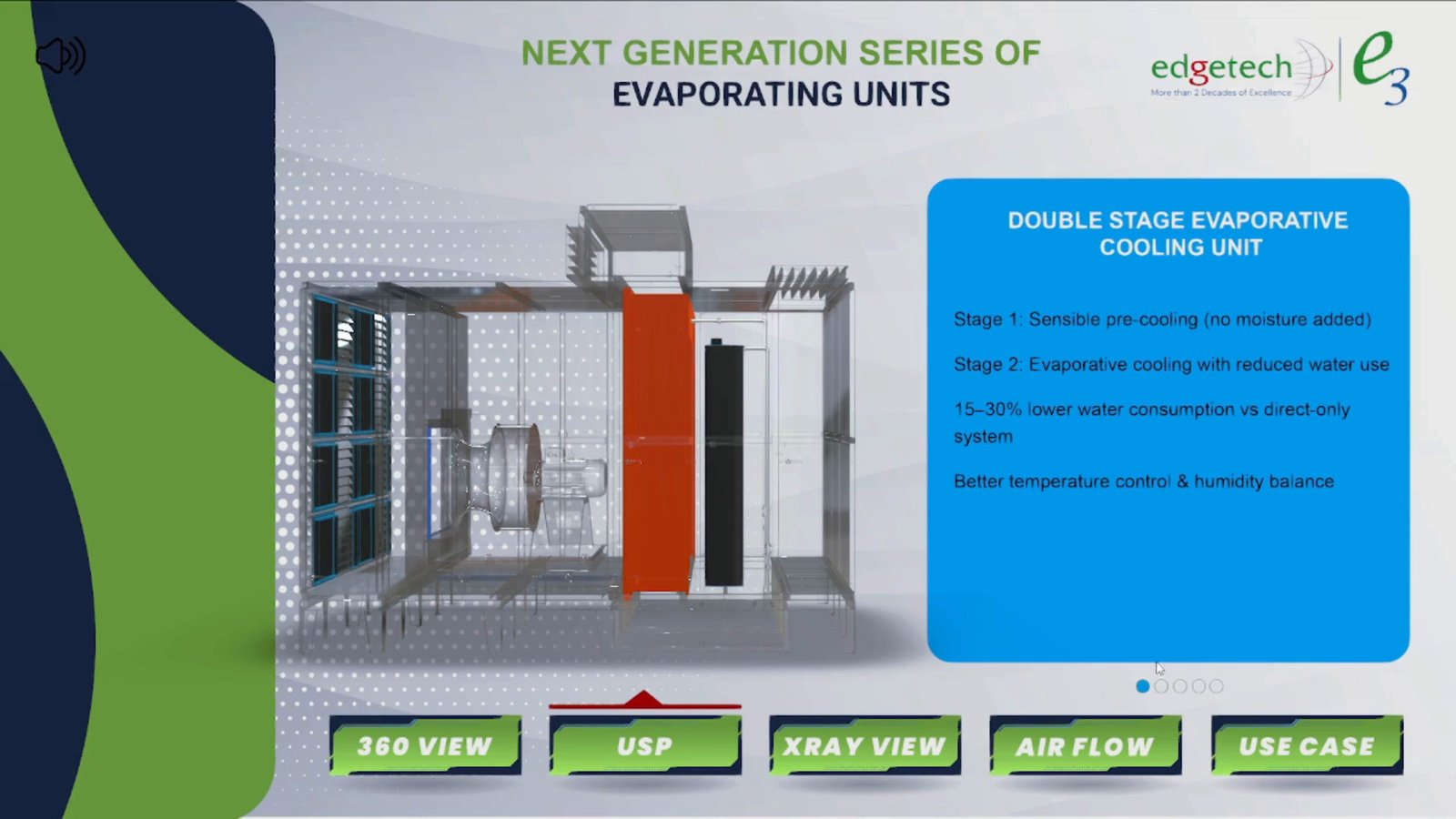
How a 360 video is made and used. Viewers look in any direction and explore at their own pace, which makes complex products and processes easier to follow and replaces some of the floor space a physical display would need.
Who it is for
Marketing teams at manufacturers and consumer brands who want factory tours, launch films or brand stories that hold attention longer than traditional formats.
How it works
Filming
- Multi-lens 360 cameras such as Insta360 One X2, GoPro MAX or Ricoh Theta Z capture a full spherical view.
- Camera rigs combine several cameras for large or complex scenes.
- Gimbals and steadicams keep moving shots smooth.
- Spatial audio microphones record sound from all directions.
Editing
Footage is stitched and edited in tools such as Adobe Premiere Pro, Final Cut Pro or Kolor Autopano Video.
The crew
A director leads the creative vision, camera operators run the 360 equipment, editors stitch the angles together and sound engineers design the spatial audio. VR developers add interactive elements, and marketing specialists plan distribution.
Viewing
- VR headsets such as Oculus Quest and HTC Vive, for full immersion
- Smartphones and tablets, using touch or tilt to look around
- PCs with VR support
- Web browsers and smart TVs, through platforms such as YouTube
Where it is used
- Factory tours showing production, technology and safety measures to clients and partners who cannot visit
- Virtual tours of an exhibition booth
- Live 360 broadcasts of product demonstrations for remote viewers
- Brand stories and product launches
On a show floor, tracking how viewers interact with the video shows exhibitors what their audience cares about.
Industry example: KitKat #MyTravelBreak
Working with Google, Liminal made a 360 video for KitKat’s #MyTravelBreak campaign, showing the landscapes and culture of Munnar, Kerala. Using the YiHalo camera and the Jump assembler, Liminal produced the 3D stereoscopic VR ad film in one week. It reached approximately 14.5 million views in one day.
Talk to our team about a 360 video of your factory or product.
Frequently asked questions
What is a 360 video factory tour?
A 360 video factory tour is a film shot with multi-lens cameras that capture a full spherical view, so viewers can look in any direction and explore at their own pace. It shows production, technology and safety measures to clients and partners who cannot visit the plant, and it makes complex products and processes easier to follow than a traditional video.
Which cameras and equipment are used to film a 360 video?
Multi-lens 360 cameras such as Insta360 One X2, GoPro MAX or Ricoh Theta Z capture a full spherical view. Camera rigs combine several cameras for large or complex scenes, gimbals and steadicams keep moving shots smooth, and spatial audio microphones record sound from all directions. The footage is then stitched and edited in tools such as Adobe Premiere Pro, Final Cut Pro or Kolor Autopano Video.
Who is in the crew for a 360 video production?
A 360 video crew includes a director who leads the creative vision, camera operators who run the 360 equipment, editors who stitch the angles together and sound engineers who design the spatial audio. VR developers add interactive elements to the 360 video, and marketing specialists plan how the finished film is distributed to its audience.
How can people watch a 360 brand film or factory tour?
A 360 brand film or factory tour can be watched in VR headsets such as Oculus Quest and HTC Vive for full immersion, on smartphones and tablets using touch or tilt to look around, on PCs with VR support, and in web browsers and on smart TVs through platforms such as YouTube. Live 360 broadcasts can also show product demonstrations to remote viewers.
What did KitKat's #MyTravelBreak 360 video achieve?
Working with Google, Liminal made a 360 video for KitKat's #MyTravelBreak campaign showing the landscapes and culture of Munnar, Kerala. Using the YiHalo camera and the Jump assembler, Liminal produced the 3D stereoscopic VR ad film in one week, and it reached approximately 14.5 million views in one day. It is an industry example of how brands use 360 video.
More product demos
 Manufacturing
3D sales app for industrial packaging machinery
An Android sales app for an industrial packaging machinery maker: 3D and 360-degree machine models with zoom, clickable specs and X-ray view, no samples needed.
Read more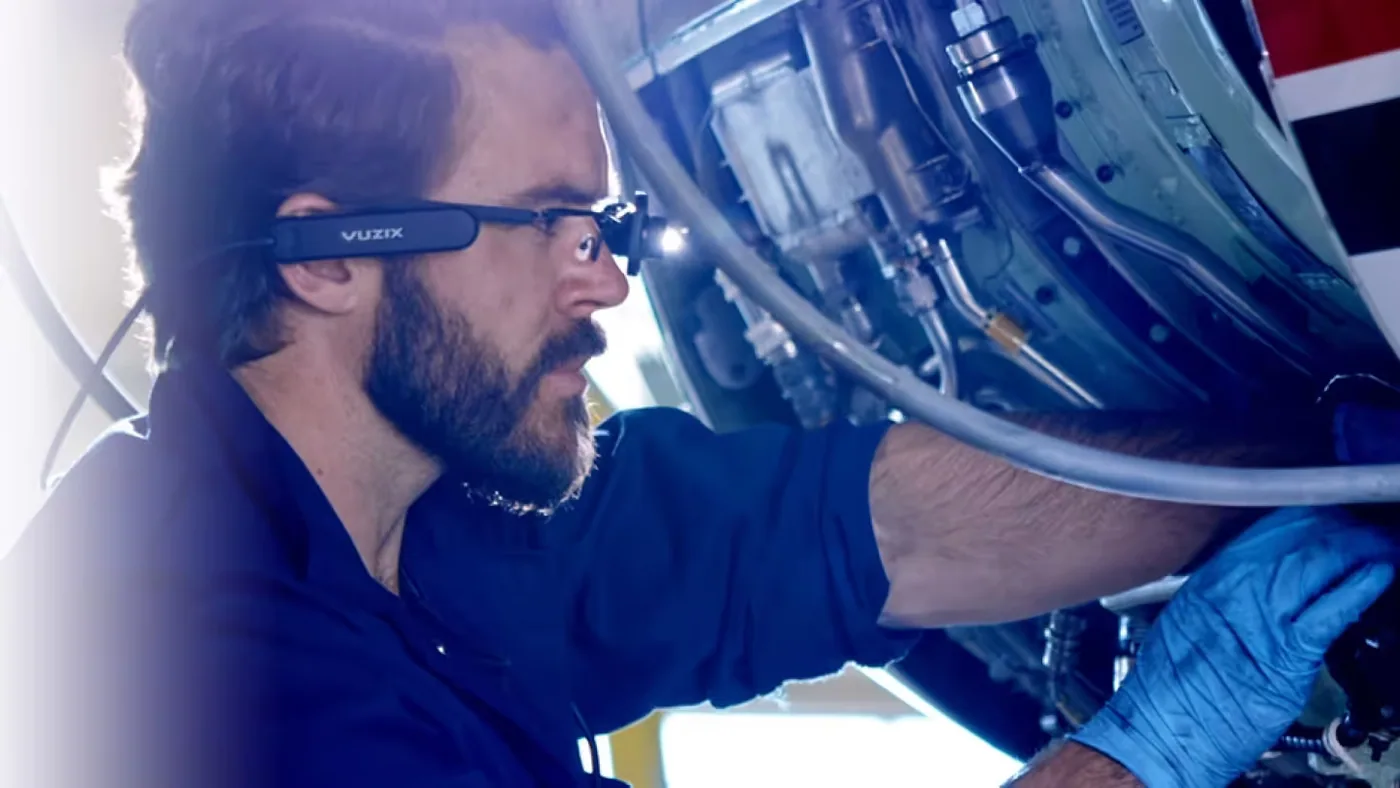 Manufacturing
Vuzix smart glasses for solar and renewable energy manufacturing
Vuzix AR smart glasses in solar and renewable energy: AI panel soiling checks, RFID and QR panel lookup, remote acceptance tests, SOPs, audits and repairs.
Read more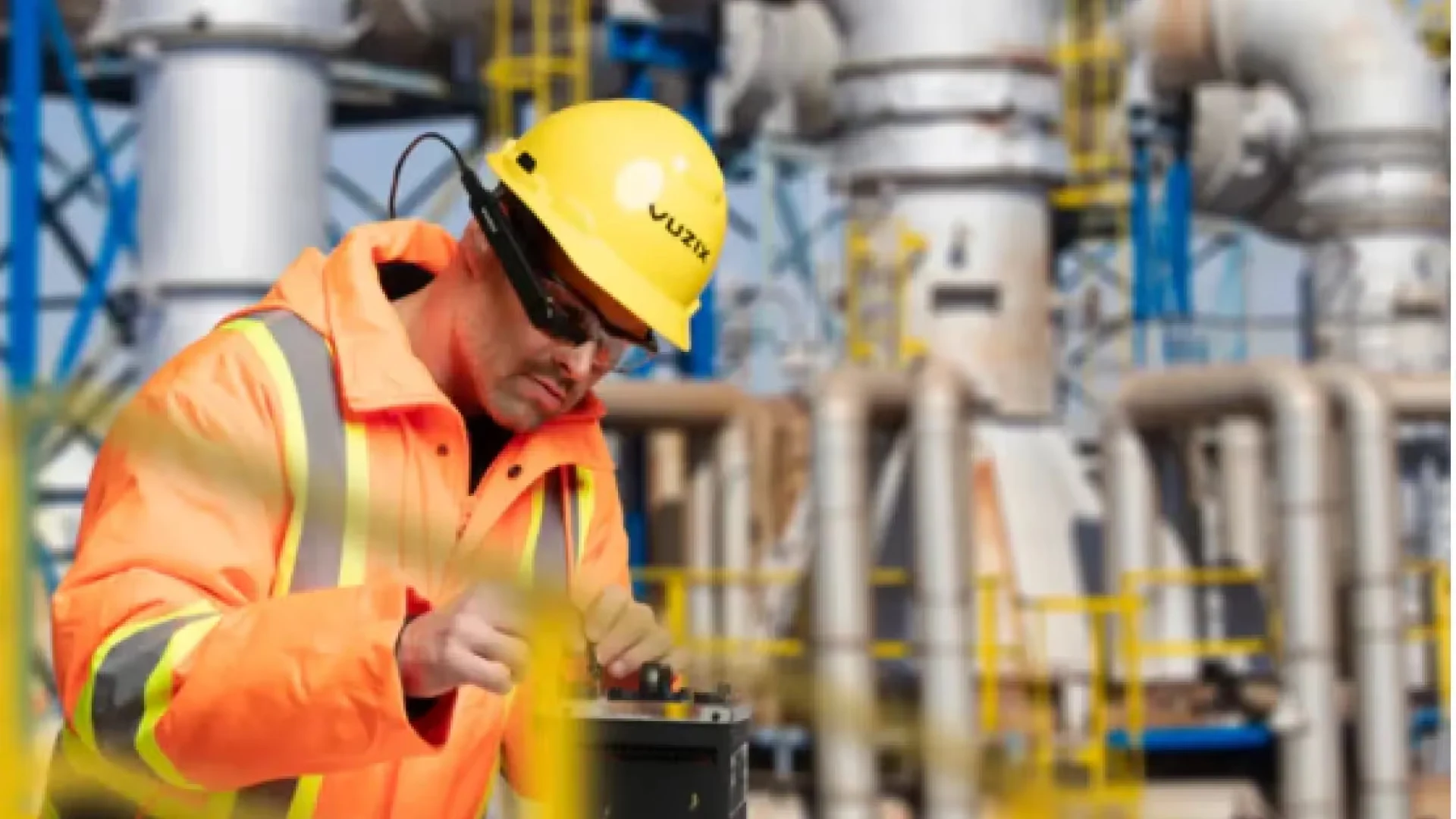 Manufacturing
Vuzix smart glasses for assembly, maintenance, quality and training
Vuzix M-Series smart glasses on the factory floor: AR-guided assembly, maintenance with remote experts, QMS-linked quality inspection and on-the-line training.
Read more