

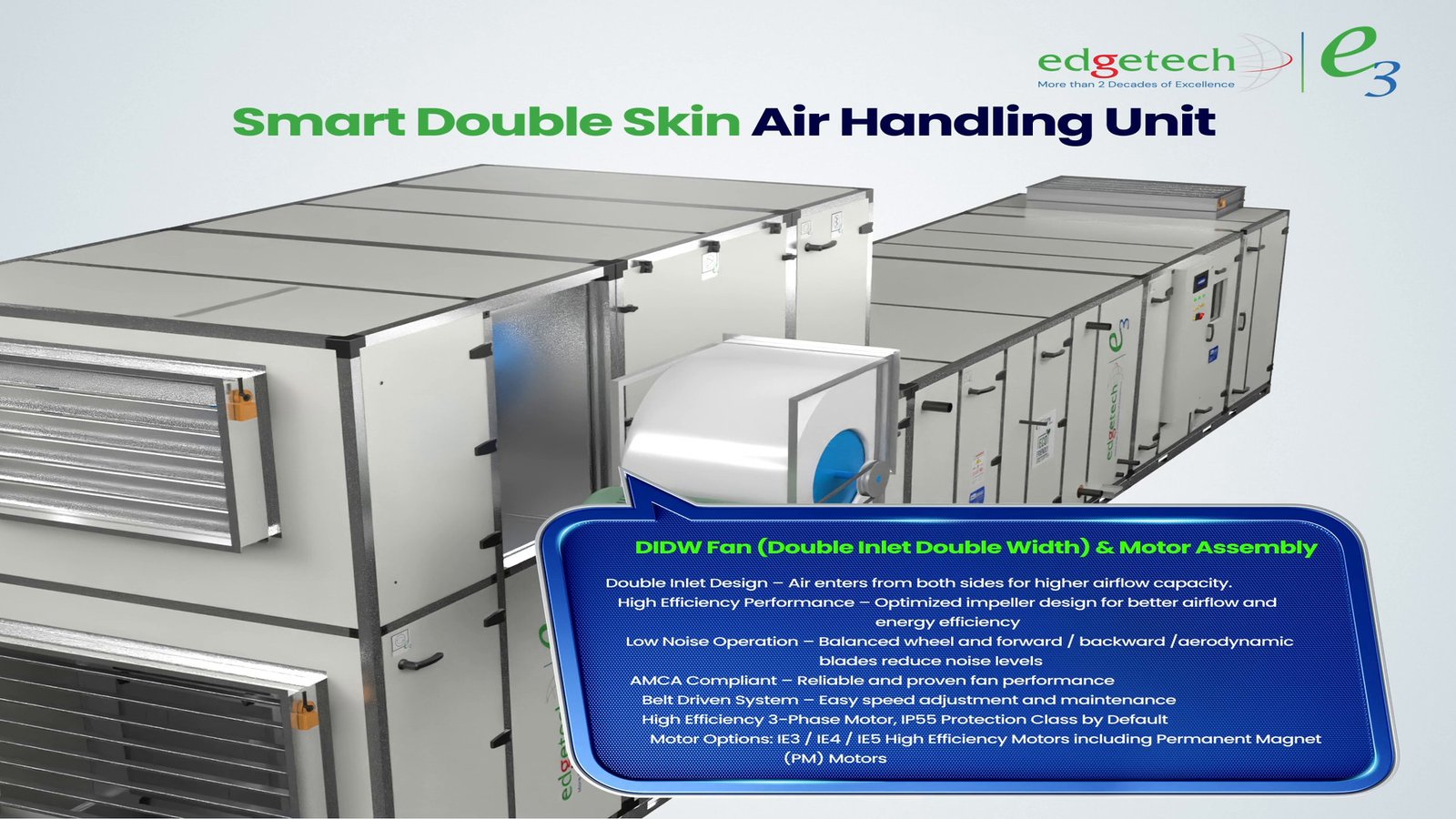
What it is
A digital twin is a virtual replica of a physical object, process or system. It is a dynamic model: as the real thing changes, the twin changes with it.
This lets teams monitor, analyse and improve the physical asset from a screen.
Image source: Siemens
How it works
The twin draws data from sources such as sensors and IoT devices on the physical asset. That data gives a complete, up-to-date view of how the asset is performing. Users can view a digital twin on computers, tablets and mobile phones.
With that view, a business can:
- Make decisions on real-time data rather than estimates
- Predict issues before they occur, reducing downtime and cost
- Use resources better, cutting waste
- Work together across locations in a shared virtual space
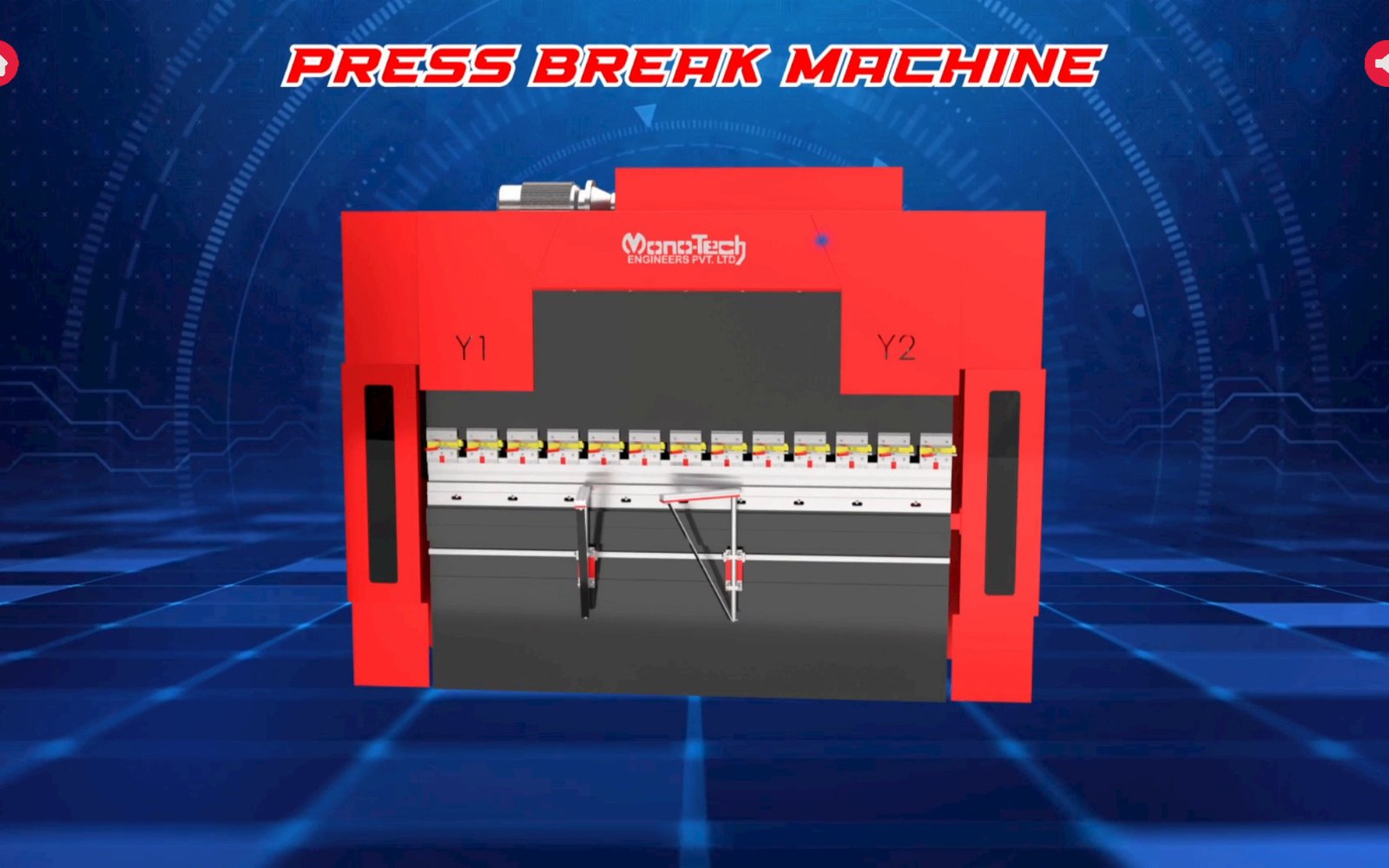
Image source: McKinsey & Company
Where it is used in industry
Manufacturing, healthcare, aviation and smart cities are the main users of digital twins.
- Manufacturing: simulating and improving production workflows to reduce downtime.
- Product development: virtual prototyping that reduces the need for physical prototypes.
- Aviation: predicting equipment failures so maintenance happens in time.
- Supply chains: real-time visibility of logistics to reduce delays.
- Energy grids: monitoring and managing power distribution.
- Buildings: designing, monitoring and managing buildings through their lifecycle.
- Smart cities: simulating infrastructure, from traffic flow to energy use.
- Healthcare: modelling patient conditions and simulating procedures for training.
- Agriculture: simulating crop conditions to plan irrigation and fertiliser use.
- Retail: understanding customer behaviour and planning store layouts.
Image source: Automation World
How we use it
Our IoT simulations bring live machine data onto a 3D model of your equipment, so teams and customers can see how a machine is performing. Talk to our team about the machines you want to model.
Frequently asked questions
What is a digital twin?
A digital twin is a virtual replica of a physical object, process or system, such as a machine. It is a dynamic model: as the real thing changes, the twin changes with it. This lets teams monitor, analyse and improve the physical asset from a screen, test changes and spot problems early.
How does a digital twin stay up to date?
A digital twin stays up to date by drawing data from sources such as sensors and IoT devices on the physical asset. That data gives a complete, current view of how the asset is performing, and users can view the digital twin on computers, tablets and mobile phones.
What are the business benefits of a digital twin?
A digital twin helps a business make decisions on real-time data rather than estimates, predict issues before they occur to reduce downtime and cost, use resources better and cut waste, and work together across locations in a shared virtual space.
Which industries use digital twins?
Manufacturing, healthcare, aviation and smart cities are the main users of digital twins. They are also used in product development for virtual prototyping, supply chains, energy grids, buildings, agriculture for planning irrigation and fertiliser, and retail for understanding customer behaviour and planning store layouts.
How does Metaverse911 build digital twins of machines?
Metaverse911 builds IoT simulations that bring live machine data onto a 3D model of your equipment, so teams and customers can see how a machine is performing. Companies can talk to the Metaverse911 team about the machines they want to model.
More technology
 Technology
What is 3D modelling? A plain guide for business
What 3D modelling is, how it works and where industry uses it, from product design and engineering to AR and VR, plus how we use 3D models in our work.
Read more Technology
What is artificial intelligence? A plain guide for business
What artificial intelligence is, how machine learning, language processing and computer vision work, where industry uses AI, and how we build it into our work.
Read more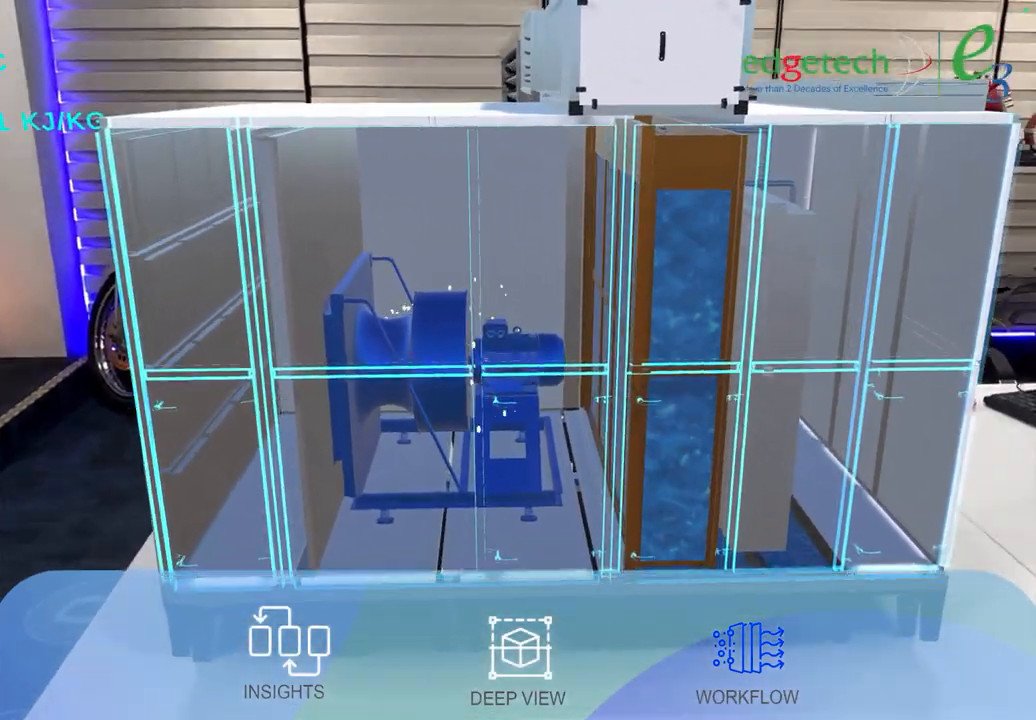 Technology
What is assisted reality? A plain guide for business
What assisted reality is, how hands-free smart glasses such as RealWear work, and where it helps in manufacturing, field service and remote assistance.
Read more