

The problem with passive learning
Most training still asks people to sit back and take in information: a lecture, a slide deck or a manual. Learners lose interest, and much of what they hear does not stick. For skills that people must perform with their hands or under pressure, passive learning is a weak preparation for the real job.

The idea: learning by being there
Key terms
- Virtual reality (VR) is a simulation that makes people feel they are inside a three-dimensional world. It is widely used for games, and increasingly for teaching and training.
- Immersion is that feeling of being present in the virtual world. You can look around and react as you would in the real place.
- Immersive learning uses that sense of presence to teach. The learner is placed in a simulated situation that closely resembles real life and takes an active part in it.
Because learners are involved rather than passive, immersive learning holds attention better, is more engaging and helps people remember what they learned for longer. It also lets each learner work in the way that suits them.
Three ways to deliver it
- VR places the learner in different situations and environments. It can even take learners to other countries, which helps with language learning.
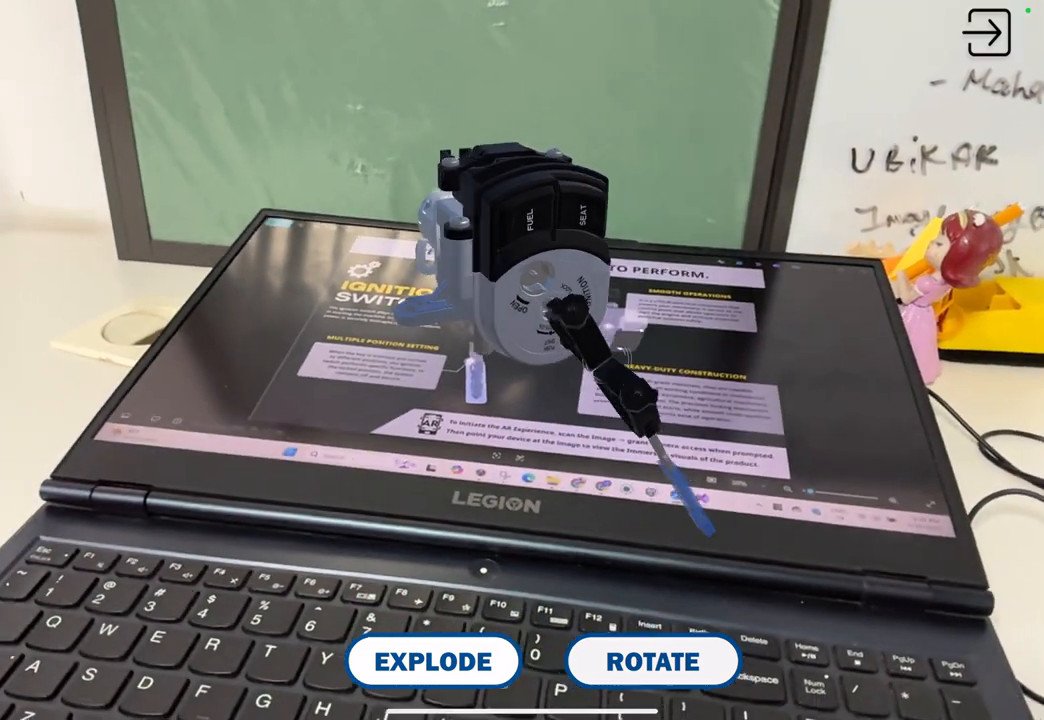
- Augmented reality (AR) adds digital information to the real world. It gives learners extra information or tools on top of what they see, and supports group work.
- Mixed reality (MR) combines real and digital elements. It can show 3D models of objects to explain ideas.
Where it is used
In schools, VR is used to teach maths, science, history and languages, and practical skills such as driving, cycling and cooking. In healthcare, patients can use immersive environments to learn about medical procedures and conditions. The military uses VR to train soldiers, and it is also used to teach doctors new techniques.
How businesses apply it
Training employees
Companies use VR simulations to train people and improve productivity. The same approach can teach business skills such as marketing and sales, or how to use new software. Immersive learning can be delivered as a VR training programme or as classes held in a virtual environment.
Showing customers your factory and process
A VR headset can take a customer around your factory or explain how your product is made, without the customer travelling to the plant.
Supporting sales
Businesses use VR to help sales teams. A customer who has explored your product and your company in an immersive environment knows you better, which builds interest and trust.
Previewing products before they are built
A VR environment can show how a product will look once it has been made. That lets you and your customer check that the design is right before production.
Next step
If you want to try immersive training or a VR product or factory demo, talk to our team or book a visit to our Experience Centre in Noida to see the options first hand.
First published on the Metaverse911 blog.
Frequently asked questions
What is immersive learning?
Immersive learning is a way of teaching that uses the feeling of being present in a simulated world. The learner is placed in a simulated situation that closely resembles real life and takes an active part in it, instead of sitting in front of a slide deck or manual. Because learners are involved rather than passive, immersive learning holds attention better and helps people remember what they learned for longer.
What is the difference between VR, AR and MR in immersive learning?
In immersive learning, virtual reality (VR) places the learner inside different situations and environments, even other countries, which helps with language learning. Augmented reality (AR) adds digital information or tools on top of the real world and supports group work. Mixed reality (MR) combines real and digital elements and can show 3D models of objects to explain ideas.
Why is immersive learning better than lectures and slide decks for workplace training?
Lectures, slide decks and manuals ask people to sit back and take in information, so learners lose interest and much of it does not stick. For skills people must perform with their hands or under pressure, that is weak preparation for the real job. Immersive learning puts learners in a simulated situation where they take part, which holds attention, is more engaging and lets each learner work in the way that suits them.
How can businesses use VR beyond employee training?
Businesses use VR to take a customer around a factory or explain how a product is made, without the customer travelling to the plant. VR also supports sales teams, because a customer who has explored a product and company in an immersive environment knows the business better, which builds interest and trust. A VR environment can also show how a product will look before it is built, so the design can be checked before production.
Where can we try immersive training or a VR factory demo?
Businesses that want to try immersive training, a VR product demo or a VR factory demo can talk to the Metaverse911 team or book a visit to the Metaverse911 Experience Centre in Noida. At the Experience Centre, teams can see the immersive learning options first hand, including VR training programmes and VR product or factory demos, before choosing what suits their training, sales or product needs.
More from the blog
Blog · Training & L&DFixing employee onboarding: a practical guide for HR leaders
Why traditional onboarding loses new hires, and a practical seven-step plan for HR leaders to run interactive virtual onboarding, with Kotak's example.
Read the postBlog · Training & L&DVirtual dojo rooms: better manufacturing training with immersive technology
How virtual dojo rooms give manufacturing trainees realistic, risk-free practice without floor space limits, and where the return on investment comes from.
Read the post Blog · Training & L&D
Using gamified onboarding to improve retention and engagement
How gamified onboarding helps HR leaders predict turnover, standardise remote induction and lift engagement, with Zydus Wellness as a worked example.
Read the post