

This article follows a LinkedIn Live session on immersive technology in defence and aviation. Our guests were Wing Commander Anurag Choudhary; Yogesh Vyas, CEO, Exhibetter; Utkarsh Singh, Business Lead, Convrse; and Vishesh Khatri, Co-founder and Chief Business Officer, Convrse.
The challenges in defence and aviation
Defence and aviation companies deal with equipment that is large, complex and often impossible to move. Showing an aircraft or a defence system to a potential buyer or partner who cannot be there in person is difficult.
Training is just as hard. Pilot training, aircraft maintenance and mission planning all demand precision, and emergencies such as fires cannot be safely recreated for practice. Keeping personnel motivated through long training programmes is a further challenge.
Three ways VR and AR help
VR solutions support training, simulation and design in the sector, with a high level of realism and accuracy. The panel focused on three uses.
1. Immersive showcases
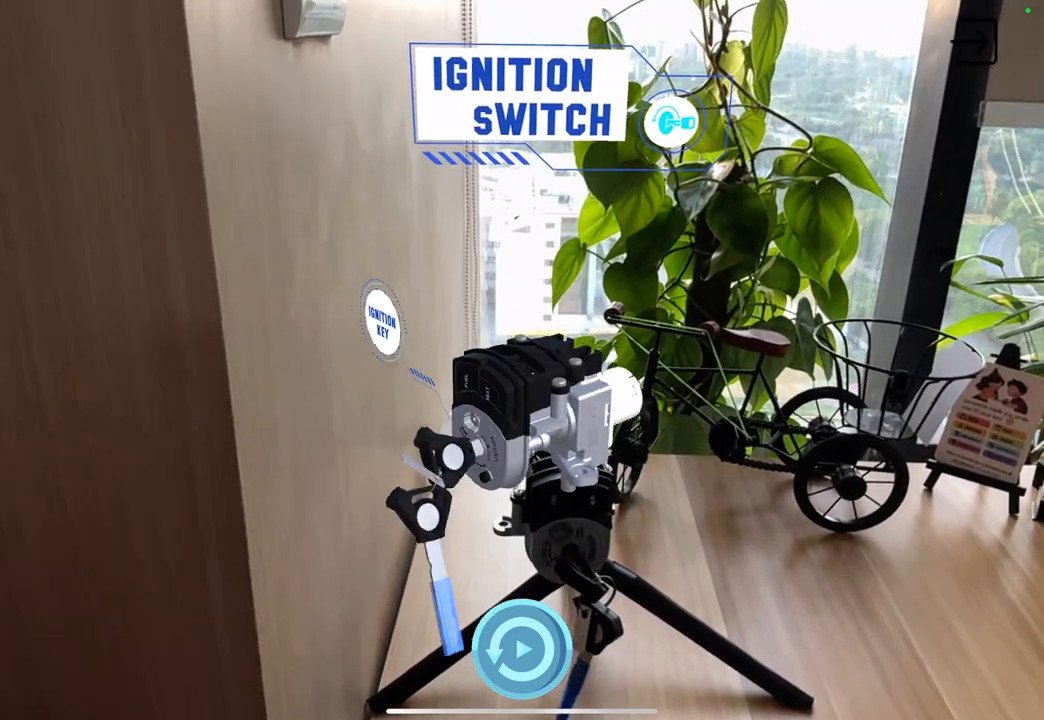
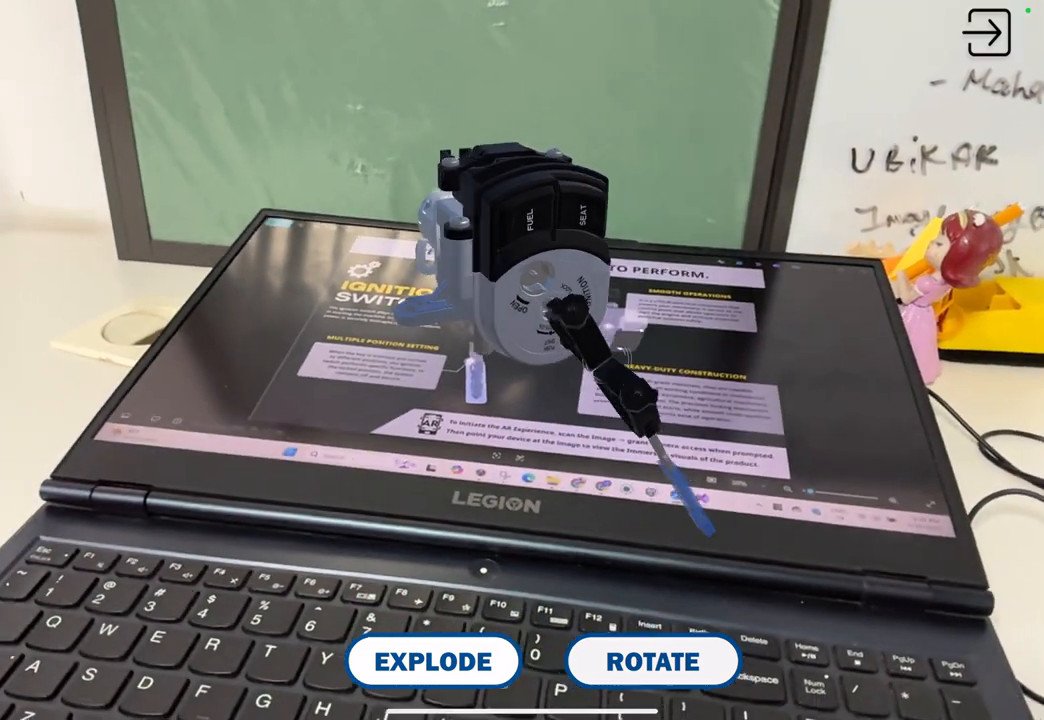
VR and virtual 3D spaces let buyers, partners and the public experience complex equipment, aircraft and systems in an engaging and informative way, even when they cannot be physically present. A showcase built once can be shown anywhere.
2. Safety training
VR simulates real-life situations so personnel can train without risk. Fire safety training in aviation is one example. Trainees practise emergency procedures, handle critical situations and build muscle memory for high-pressure moments. This helps reduce accidents, improves skills and strengthens overall safety.
3. Gamified training
Game elements make training more engaging and more effective. Interactive, competitive modules increase motivation while making sure people learn the skills they need, and they encourage continuous improvement. The Singapore Police Force is one organisation that has created a gamified experience of this kind.
How to apply it
- For sales and exhibitions: build a 3D or VR model of your largest or most sensitive product, so buyers can explore it at a show or in a meeting without the real thing.
- For safety: start with the emergency procedure that is hardest or most dangerous to rehearse, such as a fire, and build a VR module for it.
- For engagement: add scores, levels and leaderboards to existing training so people compete to improve.
Convrse, represented on the panel, uses no-code tools to reduce the time and cost of deploying immersive and gamified spaces.
The same three uses apply to heavy engineering and manufacturing, where machines are just as hard to move and emergencies just as hard to rehearse.
Next step
If you want a VR showcase of complex equipment or VR safety training for your teams, talk to our team.
First published on the Metaverse911 blog.
Frequently asked questions
How are VR and AR used in defence and aviation?
In defence and aviation, VR and AR are used in three main ways: immersive showcases that let buyers and partners experience large or sensitive equipment remotely, safety training that simulates emergencies such as fires without risk, and gamified training that uses scores, levels and leaderboards to keep personnel motivated through long training programmes.
How does VR fire safety training work in aviation?
VR fire safety training in aviation simulates real-life emergencies so personnel can train without risk. Trainees practise emergency procedures, handle critical situations and build muscle memory for high-pressure moments that cannot be safely recreated for real. This approach helps reduce accidents, improves skills and strengthens overall safety across the organisation.
Can a VR showcase replace bringing an aircraft or defence system to a buyer?
A VR showcase lets buyers, partners and the public experience complex equipment, aircraft and defence systems even when they cannot be physically present. Because the equipment is often too large, complex or sensitive to move, a 3D or VR model built once can be shown anywhere, at an exhibition or in a sales meeting.
Who spoke on the LinkedIn Live session about immersive technology in defence and aviation?
The LinkedIn Live session on immersive technology in defence and aviation featured Wing Commander Anurag Choudhary; Yogesh Vyas, CEO of Exhibetter; Utkarsh Singh, Business Lead at Convrse; and Vishesh Khatri, Co-founder and Chief Business Officer at Convrse. The panel focused on immersive showcases, safety training and gamified training.
Do VR showcases and safety training also apply to heavy engineering and manufacturing?
The same three uses discussed for defence and aviation, immersive showcases, VR safety training and gamified training, also apply to heavy engineering and manufacturing. Machines in these industries are just as hard to move and emergencies just as hard to rehearse, so a VR model of a large product or a VR module for a dangerous procedure works in the same way.
More from the blog
Blog · Industry storiesHow Kotak Mahindra Bank engaged 35,000 employees in a virtual learning fair
How Kotak Mahindra Bank engaged 35,000+ employees with Learning-a-fair, a gamified virtual learning event that won a Brandon Hall award, and what to copy.
Read the post Blog · Industry stories
How Adani Realty let homebuyers step inside homes still being built
How Adani Realty's Adaniverse let TEN BKC homebuyers explore their future homes in a virtual world while still under construction, built in just 30 days.
Read the post Blog · Industry stories
Immersive venue visualisers for hotels and real estate
How immersive venue visualisers let hotels and property firms give virtual tours and plan events, with Hilton and Royal Orchid as examples, and how to start.
Read the post